What is microcement?
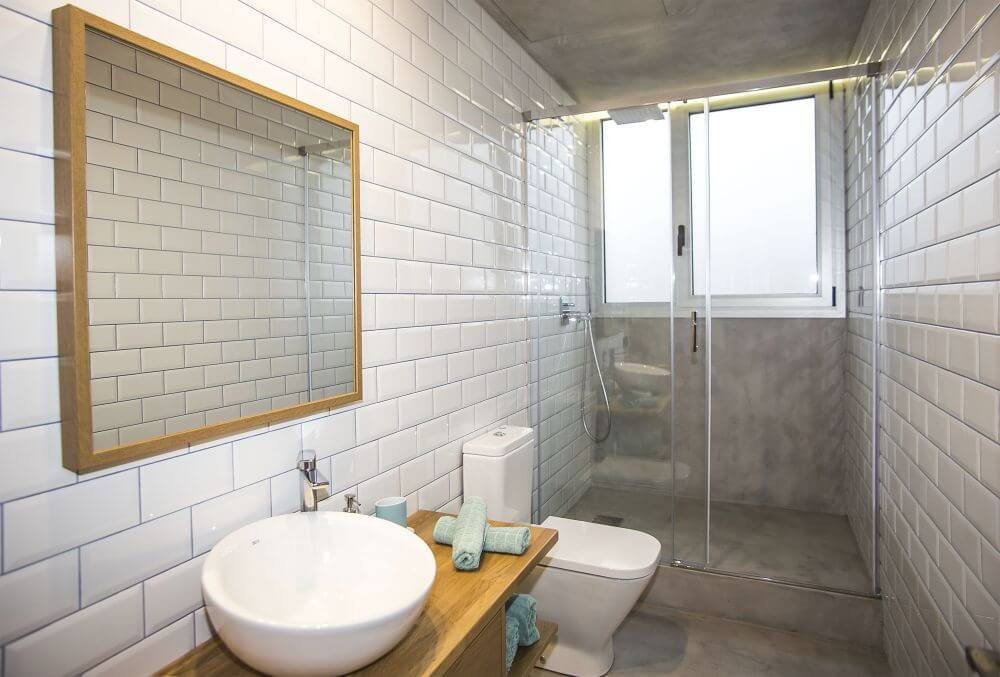
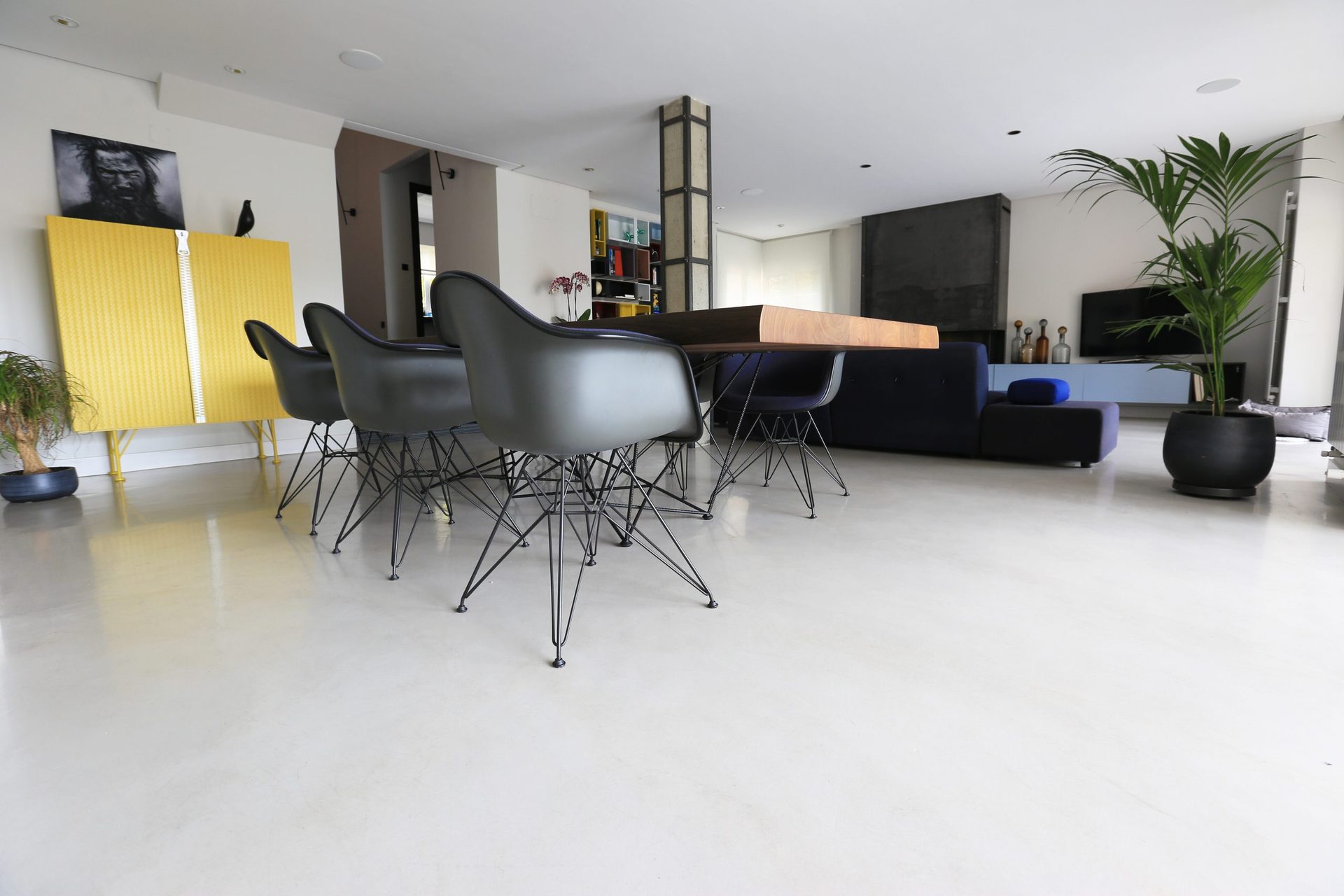
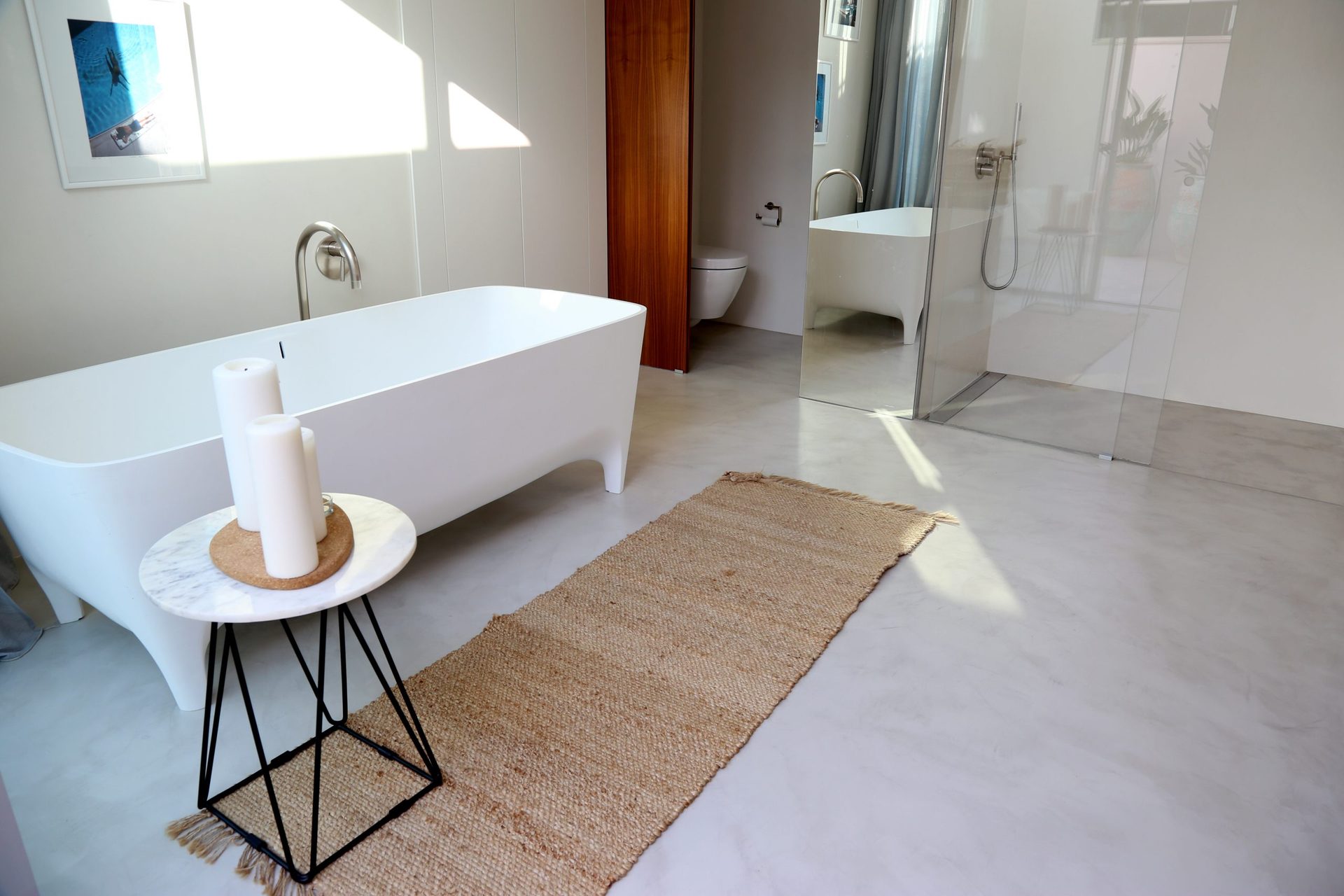
Microcement is a cement based finishing layer of two to five millimetres, made of cement, fine mineral fillers, pigments and resins. It is applied by hand in several thin layers, sanded and sealed with a two component top coat. That makes it waterproof, wear resistant and suitable for floors, walls, bathrooms, kitchens and stairs.
Its strength lies in the combination of adhesion and flexibility. It bonds to tiles, concrete, anhydrite, plaster and MDF, and moves slightly with the substrate without cracking.
What is béton ciré?
Béton ciré is originally a French brand and literally means "waxed concrete". In the Netherlands it has become a generic name for thin decorative concrete look finishes. Technically, béton ciré is often a lime or cement based plaster with a wax or lacquer finish. Some products are less wear resistant than microcement and therefore better suited to walls and furniture than to heavily used floors.
What is concrete plaster?
Concrete plaster is plasterwork with a concrete look. It is usually thicker than microcement, not waterproof by itself and mainly intended for walls in dry rooms. For a bathroom or floor it is not a good choice without extra protection. Concrete look, finally, is not a product but a style: tiles, vinyl and laminate are also sold as concrete look.
Which one for which room?
- Living room, hallway or kitchen floor: microcement. Wear resistant and suitable for underfloor heating.
- Bathroom, shower and wet rooms: microcement, because it is waterproof after sealing and goes straight over tiles.
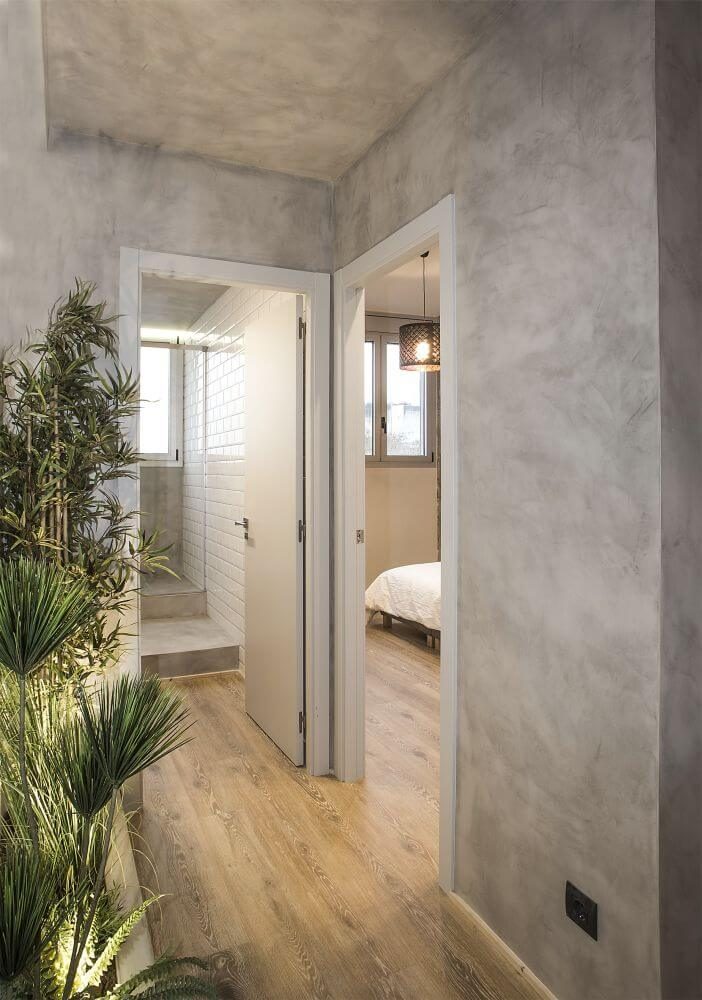
- Feature wall in a dry room: microcement or concrete plaster, depending on the texture you want.
- Furniture and tables: microcement for a scratch resistant result.
- Outdoors, terrace and pool: microcement in a coarser line such as Sólida Plus or Microconcrete.
Why we work with microcement
At Sólida Microcement we only work with professional microcement in five lines, from fine and soft to extremely wear resistant. That way we choose the right product per room. See our product lines or book a visit to our home showroom in Vlaardingen.